
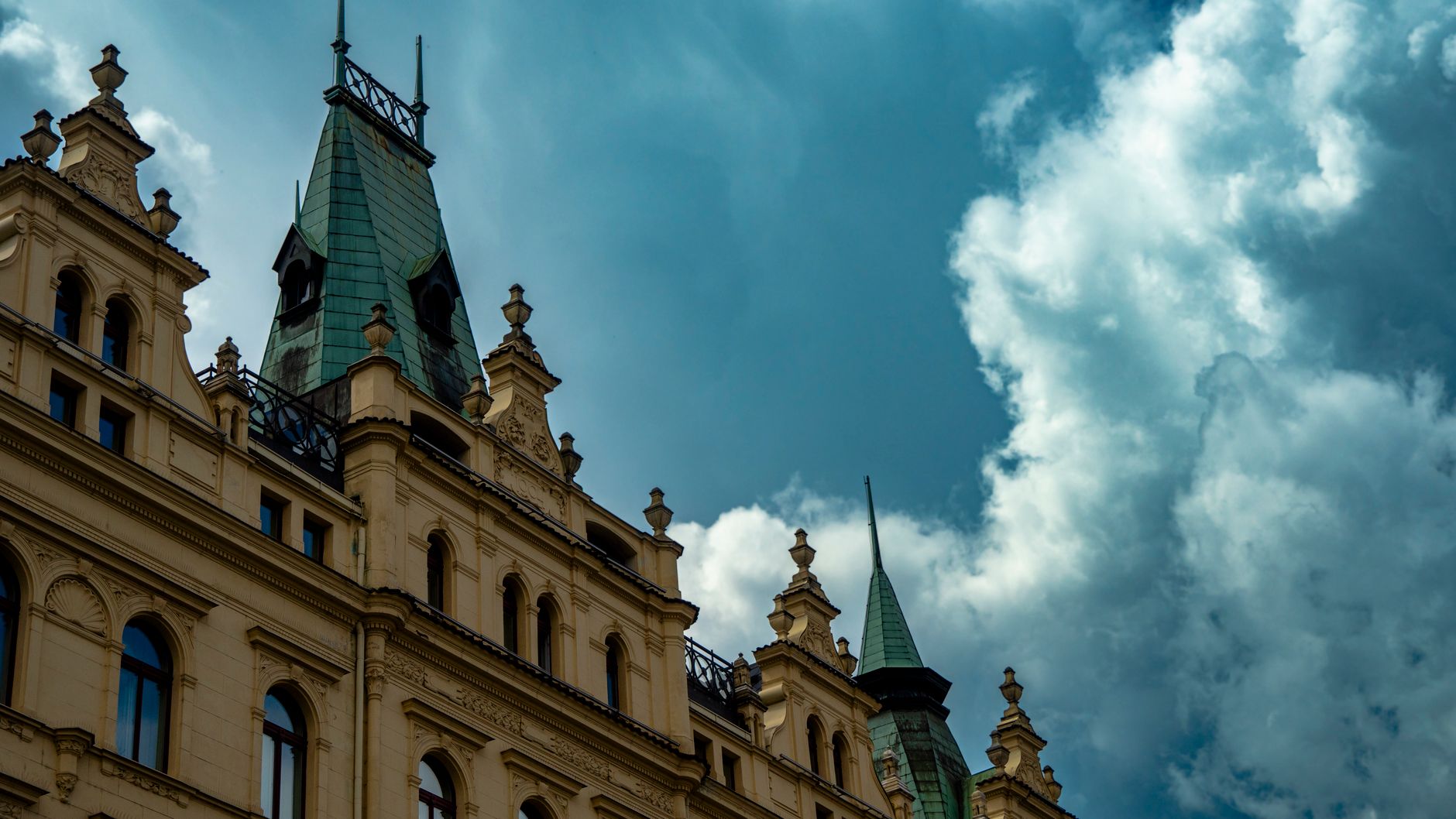
Munich, the vibrant capital of Bavaria, is a city that beautifully blends history, art, and modern culture. Travelers often wonder how many days they should spend exploring this dynamic destination. A thoughtful itinerary can ensure you experience the best the city has to offer, from Altrstadt’s traditional architecture to the lush expanses of Englischer Garten.
So, how many days in Munich should you plan for? Typically, three to five days is ideal to immerse yourself in the city’s highlights, discover hidden gems, and allow time for some regional day trips.
How Many Days In Munich?
The optimal duration for a visit to Munich is between three and five days. This timeframe allows you to fully explore the city’s main attractions and enjoy local experiences without feeling rushed.
Key Attractions and Experiences
Regardless of whether you select three or five days, several must-see sights and experiences should not be missed. Below is a detailed look at the key attractions to include in your itinerary.
Day 1: Discovering the City Center
- Marienplatz: This central square is the heart of Munich, featuring the impressive New Town Hall (Neues Rathaus) with its famous Glockenspiel.
- Frauenkirche: Munich’s iconic church is known for its twin towers and is a short walk from Marienplatz.
- Viktualienmarkt: A vibrant food market perfect for sampling local Bavarian specialties and fresh produce.
- Asam Church: A stunning baroque church showcasing the opulence of its time.
After visiting these attractions, take a leisurely stroll through the city center, absorbing the architecture and atmosphere. Don’t forget to stop for a Bavarian beer in one of the nearby beer gardens!
Day 2: Museums and Culture
Dedicate your second day to Munich’s rich cultural scene.
- Deutsches Museum: Explore the world’s largest museum dedicated to science and technology.
- Pinakothek Museums: Visit the Old and New Pinakothek, housing an extensive collection of European paintings.
- Munich Residenz: Once the home of Bavarian kings, this palace is a treasure trove of art and history.
Consider joining a guided tour to learn more about the history behind these magnificent sites. A visit to a local café for lunch can provide a refreshing break from museum hopping.
Day 3: Parks and Leisure
Your third day can be more relaxed as you visit some of the city’s beautiful parks.
- Englischer Garten: One of the largest urban parks in the world, great for a leisurely stroll, cycling, or enjoying a beer at the Chinese Tower beer garden.
- Olympiapark: Built for the 1972 Olympics, it offers sports facilities, walking trails, and panoramic views from the Olympic Tower.
If time allows, consider exploring the nearby area of Schwabing, known for its bohemian spirit and lively café culture. This day is perfect for those looking to unwind amidst nature.
Day 4: Day Trips from Munich
If you have an additional day, consider taking a day trip outside of Munich. Two popular options include:
- Neuschwanstein Castle: Just a couple of hours from the city, this fairy-tale castle is a must-see.
- Salzburg: A charming city in Austria, just over a two-hour train ride away. Home to Mozart and stunning architecture.
Such excursions allow you to take in the natural beauty of Bavaria and experience a different culture. Book your tickets in advance, especially for Neuschwanstein, to avoid long wait times.
Day 5: Local Experiences and Relaxation
Your final day in Munich can focus on enjoying the local lifestyle, art, and nightlife.
- Visit the Giesinger Bräu: A local craft brewery for beer lovers.
- Explore the Altstadt: Stroll through the old town to discover boutique shops and cafes.
- Experience the nightlife: Enjoy dinner at a traditional Bavarian restaurant, followed by a visit to a lively beer hall or live music venue.
With an extra day, be sure to soak in as much of the local atmosphere as possible before wrapping up your trip.
Transportation in Munich
Getting around Munich is easy, thanks to its efficient public transportation system, including buses, trams, and metro (U-Bahn). Here’s what to consider when navigating the city.
Public Transport Options:
- Munich U-Bahn: The metro is the quickest way to reach different parts of the city and is reliable and easy to navigate.
- Trams: A great option for shorter distances, trams offer a scenic way to see neighborhoods.
- Buses: Complete the public transport network and connect areas not serviced by the U-Bahn or trams.
Consider purchasing a Munich Card for unlimited travel on public transport and discounts at various attractions.
Taxis and Rideshares:
Taxis are readily available throughout the city. Alternatively, rideshare services like Uber operate in Munich. While generally more expensive than public transport, they offer convenience, especially late at night.
Accommodation Options in Munich
Where to stay in Munich can greatly influence your experience. Here’s a breakdown of some of the best areas to consider.
Best Neighborhoods to Stay
- Altstadt-Lehel: Stay in the heart of the city, close to major attractions.
- Maxvorstadt: Known for its artsy vibe and proximity to museums.
- Schwabing: A lively, trendy neighborhood with many dining options.
- Sendling: A quieter area slightly away from the hustle and bustle, with easy access to public transport.
When booking your accommodation, consider factors like proximity to public transport, budget, and whether you prefer a hotel, hostel, or a rental.
When to Visit Munich
The best time to visit Munich depends on what you want to experience.
Seasonal Considerations:
- Spring (March to May): Pleasant weather with blooming flowers, perfect for outdoor activities.
- Summer (June to August): Warm temperatures and lively festivals, but be prepared for larger crowds.
- Autumn (September to November): Great for visiting Oktoberfest. The weather is mild, but some attractions may close earlier.
- Winter (December to February): Cold weather attracts visitors for Christmas markets and winter sports in nearby regions.
Spring and autumn often provide an optimal blend of decent weather and fewer tourists, making it a great time for a visit.
Budget Considerations in Munich
Accommodation Costs:
Hotel prices vary widely depending on location and season. Expect to pay more for hotels in the city center compared to suburban areas.
Dining Expenses:
Bavarian food can be both affordable and delicious. Street food and local eateries offer great meals without breaking the bank. Expect higher prices in tourist areas but look for local spots for better deals.
Transportation:
Public transport is relatively affordable in Munich. Consider purchasing a day pass if you plan to use public transport multiple times in one day.
Food and Drink Guide to Munich
Exploring Munich’s culinary scene is essential for a complete experience. Bavarian cuisine is hearty, with a focus on meats, potatoes, and fresh bread.
Must-Try Foods:
- Weißwurst: A traditional Bavarian sausage served with sweet mustard.
- Schweinshaxe: A roast pork knuckle commonly served with dumplings.
- Brezen: A soft pretzel, a staple snack found throughout the city.
Beverages to Enjoy:
Don’t miss out on sampling Munich’s world-renowned beers, especially in the many beer gardens and halls. Look for local breweries, craft beer taprooms, and traditional beer gardens. A visit to the Hofbräuhaus is highly recommended for the Bavarian beer hall experience.
Safety and Health Considerations
Munich is generally a safe city for travelers, but it’s always wise to remain vigilant. Here are some practical safety tips.
Personal Safety:
- Be cautious of pickpockets, especially in crowded areas and public transport.
- Avoid poorly lit areas at night for added safety.
Health Precautions:
Ensure you have travel insurance that covers health emergencies. Check if you need any vaccinations ahead of your travel.
Accessibility in Munich
For travelers needing accessible options, Munich is generally well-equipped. Many public transport facilities offer services for those with disabilities. Moreover, some attractions have provisions for easier access.
Family Considerations:
Munich is a family-friendly city with plenty to engage children, including parks, museums, and fun activities suited to various ages.
Final Thoughts
When planning your trip to Munich, consider your interests, the time of year you are visiting, and how you prefer to travel. By allocating three to five days, you will have a robust experience, sampling culture, food, and incredible sights.
Whether you want to dive into art, enjoy nature, or indulge in local cuisine, Munich has something for everyone. Take your time to explore the city’s unique offerings and enjoy the Bavarian hospitality.
Feel free to explore more travel guides for destinations such as How Many Days In Stockholm and Things to Do in Warsaw, Poland for further inspiration on your next adventure!