
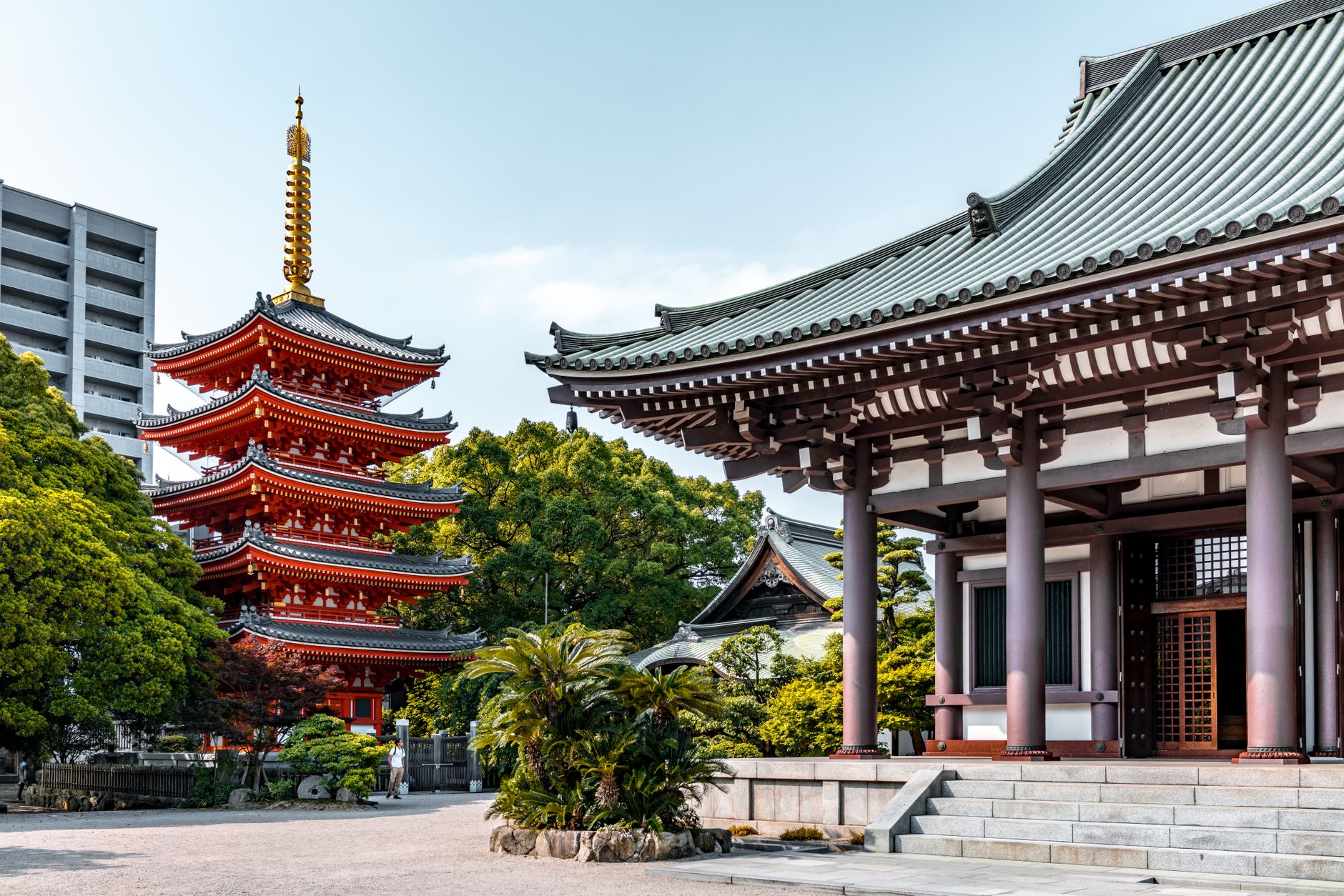
Japan is a country that seamlessly blends ancient traditions with cutting-edge modernity. With its rich cultural heritage, breathtaking landscapes, and delectable cuisine, many travelers wonder if Japan is worth a visit. The answer is a resounding yes, especially for those who appreciate history, art, and technology.
This guide will help you understand why Japan deserves a spot on your travel itinerary and provide practical tips for planning your trip. From iconic landmarks and local delicacies to transport systems and accommodation options, everything you need for an unforgettable experience is covered.
Is Japan Worth Visiting?
Japan offers a unique travel experience that combines stunning natural beauty with a rich cultural tapestry. Its efficient transportation system, hospitable people, and a wide array of attractions make it an excellent destination for solo travelers, families, and couples alike.
What Makes Japan Worth Visiting?
Japan stands out for several compelling reasons:
- Cultural Heritage: The country is home to numerous UNESCO World Heritage Sites, traditional festivals, and ancient temples.
- Technological Advancements: Cities like Tokyo are hubs of innovation, showcasing futuristic architecture and world-class amenities.
- Stunning Landscapes: From the iconic Mount Fuji to serene countryside and beautiful coastlines, Japan boasts breathtaking natural scenery.
- Culinary Delights: Japanese cuisine offers a diverse range of flavors and dishes, from sushi to ramen, that reflect the country’s culinary identity.
- Efficient Transportation: The extensive rail network, including the famous Shinkansen (bullet train), makes travel convenient and quick.
Best Areas to Visit
Japan is made up of several distinct regions, each offering its own unique attractions:
1. Tokyo
The vibrant capital of Japan, Tokyo is a perfect blend of old and new. Key attractions include:
- Shinjuku: A bustling entertainment district known for shopping and nightlife.
- Asakusa: Home to the historic Senso-ji Temple, Tokyo’s oldest temple.
- Harajuku: Famous for its quirky fashion and youth culture.
- Shibuya Crossing: Experience the pulse of the city at one of the busiest pedestrian crossings in the world.
2. Kyoto
Known for its classical Buddhist temples, as well as gardens, imperial palaces, and traditional wooden houses, Kyoto is a must-visit.
- Kinkaku-ji: The iconic Golden Pavilion surrounded by stunning gardens.
- Fushimi Inari Taisha: Famous for its thousands of vermillion torii gates.
- Arashiyama Bamboo Grove: A breathtaking bamboo forest ideal for serene walks and photography.
3. Osaka
Osaka is known for its modern architecture, nightlife, and delicious street food. Don’t miss:
- Dotonbori: A lively entertainment area famous for its neon lights and street food.
- Osaka Castle: A historical castle surrounded by beautiful parks.
- Universal Studios Japan: A family-friendly theme park featuring popular attractions.
4. Hiroshima and Miyajima
This area is rich in history and natural beauty. Key highlights include:
- Hiroshima Peace Memorial Park: A dedicated site for reflecting on the events of World War II.
- Miyajima Island: Known for the iconic floating torii gate of Itsukushima Shrine.
5. Hokkaido
Ideal for nature lovers, Hokkaido offers stunning landscapes, especially during winter.
- Sapporo: Famous for its beer and the annual snow festival with incredible ice sculptures.
- Niseko: A popular ski resort known for powder snow.
Transportation in Japan
Getting around Japan is both easy and efficient thanks to its extensive transport network.
Rail Systems
The Shinkansen (bullet train) is the fastest and most convenient way to travel between cities. Consider purchasing a Japan Rail Pass for unlimited train travel within a set period, which can save you money and provide flexibility.
Subway and Buses
In cities, subways are efficient. Each major city has its own system, with Osaka and Tokyo being particularly comprehensive. For areas not serviced by trains, buses are available, offering a chance to see the scenery while traveling.
Tips for Getting Around
- Purchase a prepaid Suica or Pasmo card for easy payment on trains and buses in major cities.
- Download transportation apps to help navigate schedules and routes seamlessly.
- Be mindful of rush hour in large cities; traveling during off-peak hours can make the experience more comfortable.
Where to Stay in Japan
Accommodation options in Japan cater to various budgets and preferences.
Luxury Hotels
For a top-tier experience, consider staying at high-end hotels such as The Peninsula Tokyo or The Ritz-Carlton, Kyoto, which offer opulence and impeccable service.
Mid-Range Hotels
Business hotels like APA Hotels or Hotel Gracery offer comfortable rooms without breaking the bank. These hotels are typically situated close to transport hubs.
Budget Accommodations
Hostels and capsule hotels like The Millennials Shibuya are excellent options for budget travelers looking for a unique experience.
Traditional Ryokans
For a truly immersive cultural experience, consider staying in a ryokan, a traditional inn often featuring tatami mats, futons, and kaiseki dining.
When to Visit Japan
The best time to visit Japan largely depends on what you hope to experience.
Spring (March to May)
Spring is synonymous with cherry blossoms, making it an incredibly picturesque time to visit. Major festivals and hanami (flower viewing) events occur during this period.
Summer (June to August)
Summer can be hot and humid, but festivals abound, and it’s an excellent time for outdoor activities. Keep in mind that summer is also typhoon season, so plan accordingly.
Autumn (September to November)
Autumn offers stunning fall foliage, especially in places like Kyoto. It’s generally less crowded than spring, making it a favorable time for sightseeing.
Winter (December to February)
For winter sports enthusiasts, Hokkaido and the Japanese Alps provide fantastic skiing options. Holiday illuminations and festivals also spice up this season.
Suggested Length of Stay
A week to ten days is ideal for experiencing the highlights of Japan. This timeframe allows for visiting Tokyo, Kyoto, and Osaka, along with day trips to nearby areas, without feeling rushed.
Budget Considerations
Your budget will determine where to stay, how to eat, and what activities to pursue. Here’s a rough breakdown:
| Category | Estimated Cost (per day) |
|---|---|
| Accommodation | $30 – $300 |
| Food | $10 – $100 |
| Transportation | $10 – $50 |
| Activities | $20 – $100 |
Be sure to factor in additional costs for souvenirs and potential entrance fees to attractions. Travelers should also consider purchasing travel insurance to safeguard against any unexpected issues during their trip.
Food and Drink in Japan
Japanese cuisine is diverse and absolutely worth exploring during your visit. Here are some must-try dishes:
- Sushi: Fresh seafood served on vinegared rice, available in various styles.
- Ramen: A popular noodle soup dish with regional variations across Japan.
- Okonomiyaki: A savory pancake filled with ingredients of your choice, popular in Osaka.
- Matcha: Traditional Japanese green tea, available in various forms such as drinks, desserts, and sweets.
Dining etiquette is essential in Japan. For instance, it is customary to say “Itadakimasu” before meals and “Gochisosama deshita” after finishing.
Accessibility and Safety Considerations
Japan is known for its safety and cleanliness, making it a welcoming environment for tourists.
Accessibility
Many tourist sites and public transport systems are wheelchair accessible, but it’s advisable to check specific locations in advance due to variations.
Safety
Japan is one of the safest countries for travelers. However, always keep personal belongings secure and be aware of your surroundings, especially in crowded areas.
Travel Planning Tips
To maximize your trip experience in Japan, here are some planning tips:
- Learn basic Japanese phrases; while many speak English, a little effort goes a long way.
- Download offline maps or translation apps to navigate the country more easily.
- Be mindful of the local customs and etiquette to respect the culture.
Final Thoughts
Japan is undeniably worth visiting due to its unique cultural experiences, advanced infrastructure, delicious cuisine, and friendly locals. With the variety of attractions, efficient transportation, and safety, it provides something for every type of traveler.
Begin your journey by emphasizing your interests, whether that be nature, history, or food. Carefully plan your itinerary to ensure you make the most of your time in this fascinating country.
For more travel insights, check out related destination guides like things to do in Warsaw and things to do in St. Petersburg.