
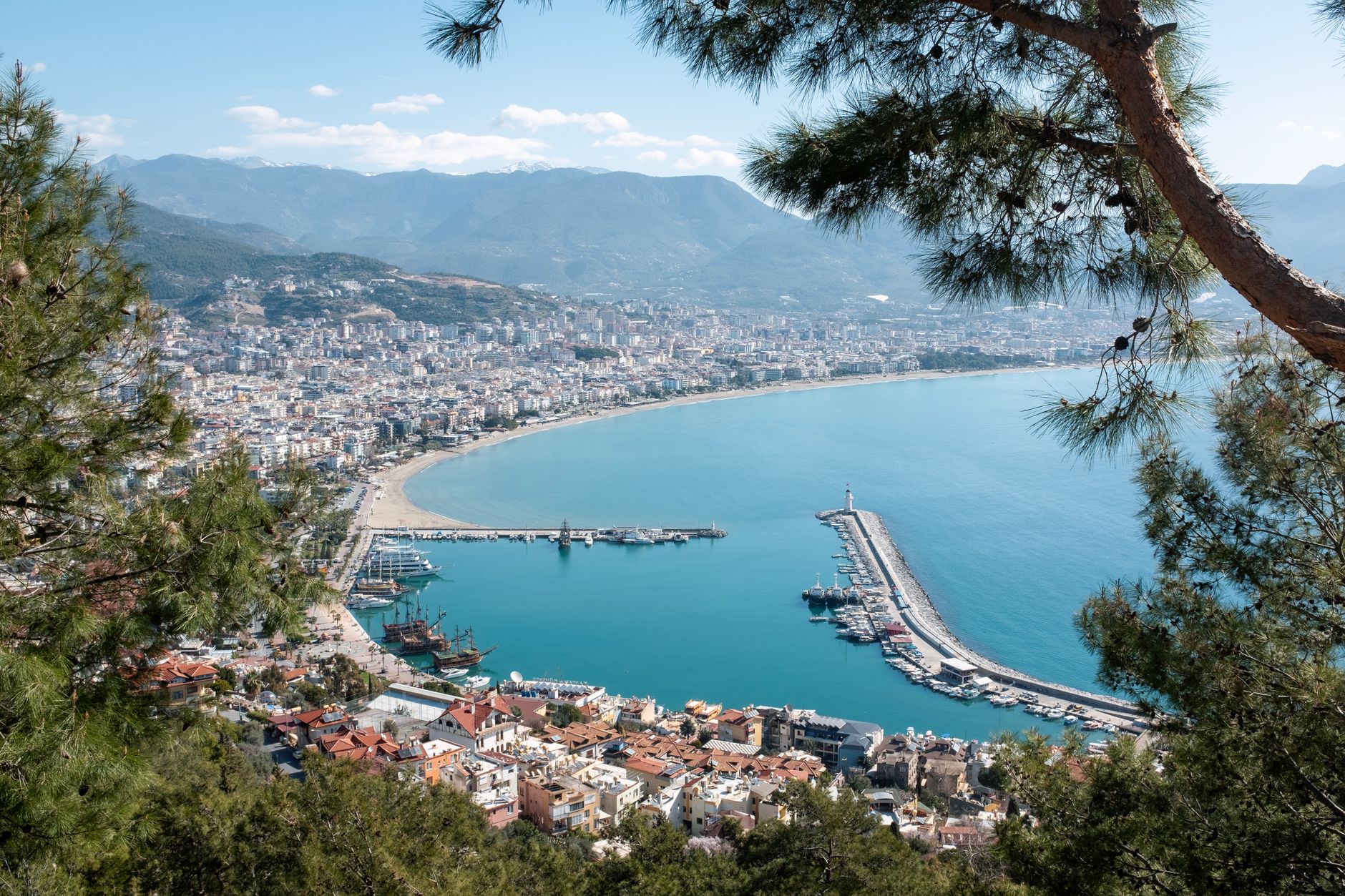
Portugal’s two primary cities, Lisbon and Porto, have distinct charms that attract travelers worldwide. If you’re planning a trip to either city, understanding the distance between them and the options for traveling is crucial. This guide will help you determine how far Lisbon is from Porto, explore transportation options, and provide helpful tips for your journey between these vibrant destinations.
With picturesque streets, delicious food, and rich history, both Lisbon and Porto offer unique experiences. Whether you’re drawn to the colorful tiles of Porto or the historic neighborhoods of Lisbon, knowing how to navigate between these two points will enhance your travel itinerary.
How Far Is Lisbon From Porto?
The distance between Lisbon and Porto is approximately 313 kilometers (194 miles) when traveling by road. The quickest travel options—such as train and car—can get you from one city to the other in about 2.5 to 3 hours, depending on traffic and specific routes.
Understanding Your Transportation Options
Traveling between Lisbon and Porto can be accomplished in several ways. Each option varies in convenience, cost, and experience. Here’s a breakdown of the most common transportation methods:
1. Train Travel
The train is often the preferred choice for many travelers due to its convenience and efficiency. The Comboios de Portugal (CP) operates frequent train services between both cities, providing a comfortable and scenic journey.
- Duration: Approximately 2.5 to 3 hours.
- Frequency: Trains run regularly throughout the day, with departures from Lisbon’s Santa Apolónia or Oriente stations to Porto’s Campanhã station.
- Cost: Tickets typically range from €25 to €40, depending on the time of booking and the service class.
Reservations are recommended, especially during peak tourist seasons.
2. Bus Travel
For the budget-conscious traveler, buses offer an economical alternative to trains. Several companies, including Rede Expressos, operate direct bus services between Lisbon and Porto.
- Duration: About 4 to 5 hours.
- Frequency: Multiple daily departures from Lisbon’s Sete Rios bus station to Porto’s bus terminal.
- Cost: Prices generally vary from €20 to €30.
Compared to trains, bus journeys may take longer but are often cheaper if booked in advance.
3. Driving
If you prefer the flexibility of having your vehicle, renting a car may be your best option. The journey offers beautiful views of the Portuguese countryside, with opportunities to stop at picturesque towns along the way.
- Duration: Around 3 hours without heavy traffic.
- Main Route: A1 highway, which is a well-maintained road.
- Cost: Rental costs vary widely but expect to pay for fuel (approximately €30 to €50) and possibly tolls (around €20).
Keep in mind that parking in both Lisbon and Porto can be challenging, particularly in busy areas.
4. Flights
Though flying might seem unnecessary given the short distance, some budget airlines offer flights between the two cities. However, considering the time for airport transfers and waiting, this option often takes longer than ground transportation.
- Duration: Flight time is about 1 hour, but overall travel time will exceed 4 hours when accounting for check-in and transfers.
- Cost: Prices can vary significantly based on booking time and airlines, generally starting around €30.
Best Time to Travel Between Lisbon and Porto
Considering the overall travel experience may impact your decision on when to plan your trip. Here’s a seasonal breakdown of what to expect:
Spring (March to May)
Spring brings mild weather, blooming flowers, and fewer tourists, making it an excellent time to visit both cities. Temperatures typically range from 15 to 25°C (59 to 77°F). It’s ideal for sightseeing and outdoor activities.
Summer (June to August)
Summer is high season for tourism, especially in Lisbon and Porto. Expect crowded attractions and higher accommodation prices. The temperatures can soar above 30°C (86°F), so be prepared for the heat.
Autumn (September to November)
Similar to spring, autumn provides great weather—expected temperatures linger around 20 to 25°C (68 to 77°F). Crowds start to diminish, and prices decrease, making it an ideal time for travel.
Winter (December to February)
Winter in Portugal is relatively mild, though it can be rainy. Temperatures range from 10 to 16°C (50 to 61°F). While fewer tourists visit, many attractions may have reduced hours.
Recommended Length of Stay in Each City
The amount of time you should spend in each city can vary greatly depending on your interests:
Lisbon
A suggested stay of at least 3 days allows you to explore neighborhoods like Alfama, Bairro Alto, and Belém, as well as iconic sites such as the Jerónimos Monastery and the Tower of Belém.
Porto
For Porto, 2 to 3 days should suffice for discovering the historic Ribeira District, sampling port wine in local cellars, and taking a scenic walk across the Dom Luís I Bridge.
Things to Do in Lisbon
Known for its vibrant culture and architecture, Lisbon has an array of activities. Here are a few highlights:
- Visit the Belém Tower: This UNESCO World Heritage site is a stunning example of 16th-century architecture.
- Explore Alfama: Wander the narrow, winding streets of this historic neighborhood.
- Experience Fado: Enjoy traditional music performances in local restaurants.
- Ride Tram 28: This iconic tram will take you through many of Lisbon’s key sights.
Things to Do in Porto
Porto is celebrated for its stunning riverside views and rich culinary history. Key attractions include:
- Ribeira District: Stroll along the Douro River and enjoy vibrant nightlife.
- Port Wine Cellars: Tour one of the many cellars and take part in a tasting session.
- Clérigos Tower: Climb this baroque tower for panoramic city views.
- Livraria Lello: Explore one of the most beautiful bookstores in the world.
Where to Stay
Your accommodation choice can significantly impact your experience in both cities. Here’s a breakdown of recommended areas:
Lisbon
- Bairro Alto: Ideal for nightlife and a vibrant atmosphere.
- Alfama: Offers a historic experience with traditional charm.
- Belém: Perfect for sightseeing with proximity to major attractions.
- Chiado: Central location with great shopping and dining options.
Porto
- Ribeira: Right by the river, known for scenic views and restaurants.
- Bolhão: Close to markets and the city’s shopping areas.
- Foz do Douro: Offers a beachside escape not far from the city center.
- Miragaia: A quieter area that still has easy access to sights.
Budget Considerations
When planning your trip, budgeting effectively can enhance your travel experience. Here are some considerations:
- Transportation: Factor in train or bus fares when calculating costs. Booking in advance often yields better prices.
- Accommodation: Prices vary by season and location; consider your travel dates and preferred areas.
- Food: Dining can range from street food to fine dining; budget accordingly. On average, expect to spend €10 to €20 per meal.
- Attractions: Many sites are free; others may charge small entry fees, usually between €5 and €15.
Travel Tips for a Smooth Journey
To ensure a hassle-free trip between Lisbon and Porto, consider the following tips:
- Book Early: Reserve your transportation tickets in advance for the best prices.
- Packing: Bring comfortable footwear as both cities are best explored on foot.
- Language: While Portuguese is the national language, many locals in tourist areas speak English.
- Cash and Cards: While credit cards are widely accepted, carrying some cash is advisable, especially for small purchases.
- Time Zone: Both cities are in the same time zone (WET) but note that daylight saving time may affect your schedule.
Accessibility Considerations
If you’re traveling with accessibility needs, both Lisbon and Porto have made significant improvements, but challenges may still exist. Here are key points to consider:
- Train Stations: Both Lisbon and Porto might have some accessibility features; inquire at the ticket counter.
- Public Transport: Buses and trams may vary in accessibility; plan routes that accommodate your needs.
- Accommodations: Look for hotels that specify wheelchair accessibility in their descriptions.
Conclusion
Understanding how far Lisbon is from Porto and planning for your journey can enhance your overall travel experience in Portugal. With multiple transportation options, stunning attractions, and delightful cuisine awaiting you in both cities, a trip between Lisbon and Porto is sure to be memorable.
Ready to explore more? Check out our guides to planning your next adventure.