
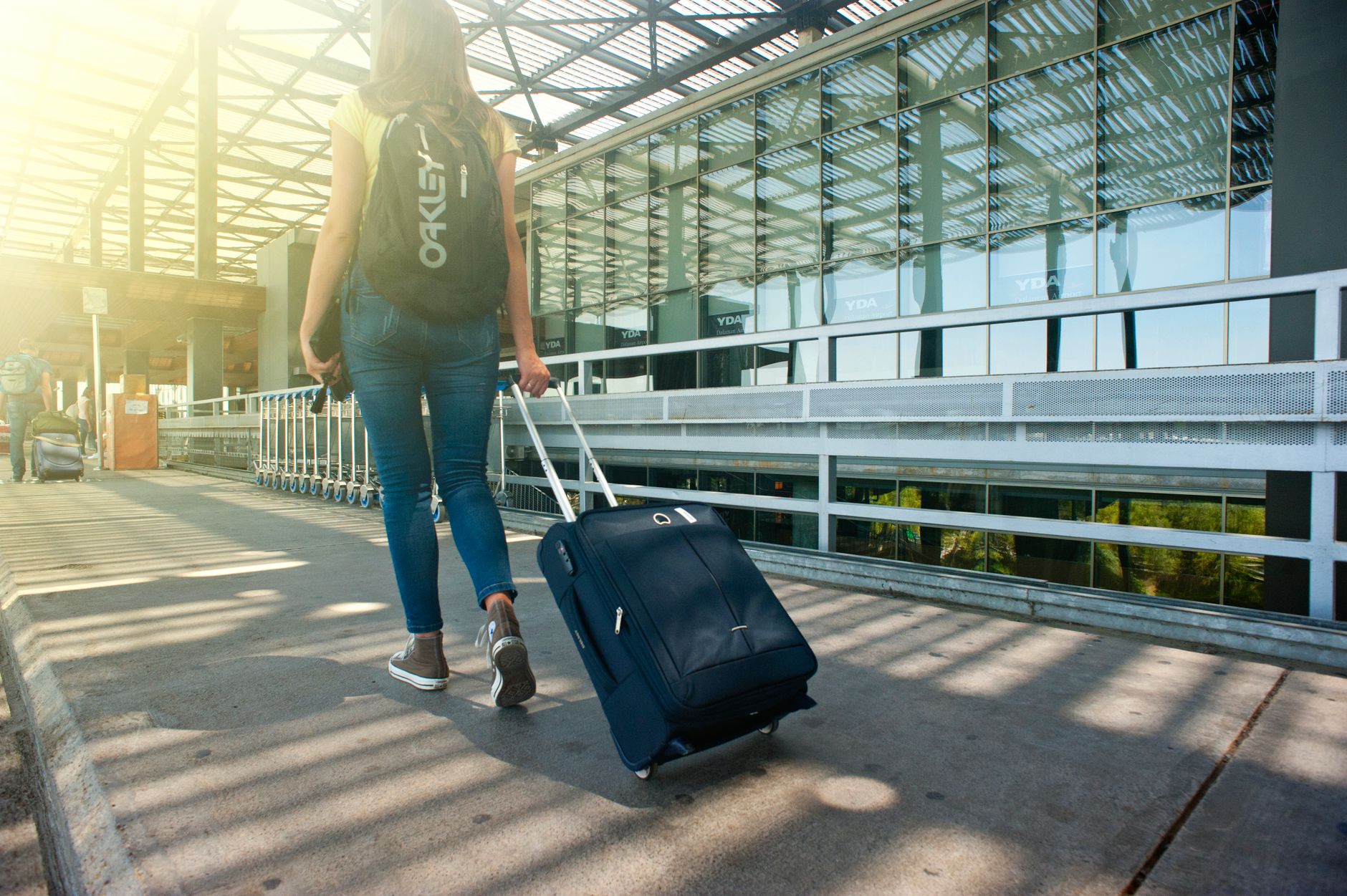
When planning your travels, understanding luggage weight limits and the associated fees with airlines or transport services is crucial. You might find yourself asking the question, “How much is 23 kg?” It’s more than just a number; it represents important considerations for packing, airline regulations, and what you can easily transport.
This guide not only clarifies what 23 kg means in practical terms but also offers valuable insights into packing strategies, travel regulations, and budget considerations associated with your luggage weight. Read on to make your travels smoother and more planning-friendly.
How Much Is 23 Kg?
In weight terms, 23 kg is approximately 50.7 pounds. This is a common luggage limit set by many international airlines for checked baggage. Understanding this weight limit is essential for your packing strategy, as exceeding it could lead to extra fees.
The Implications of 23 Kg in Travel
When traveling, particularly by air, being aware of your baggage weight can impact your overall travel experience. Below are some implications you should consider.
Checked Baggage Allowance
Most airlines have a standard checked baggage allowance of 23 kg for economy class passengers on international flights. Exceeding this limit generally incurs significant fees. The extra cost can vary from $50 to $200 or more, depending on the airline and route.
Weight Distribution
Understanding how to distribute weight between your bags is essential. If you have multiple bags, some airlines allow a combined weight that totals 23 kg but may have individual bag limits (typically 23 kg per bag). Be sure to check the airline’s specific rules to avoid unforeseen charges.
Packing Tips for 23 Kg
Packing smart is essential when you need to stay within a 23 kg limit. Here are some practical strategies for effective packing.
- Choose Lightweight Luggage: Opt for lighter suitcases or backpacks. Weight differences can significantly impact your total.
- Use Packing Cubes: These help you organize items and compress clothing to save space.
- Weigh Your Luggage: Invest in a portable luggage scale to check your bags before heading to the airport.
- Pack Versatile Clothing: Choose items that can be mixed and matched. Think neutral colors and layers, which can be adjusted for different climates.
- Limit Footwear: Shoes can be bulky. Stick to two or three pairs that serve multiple functions.
- Leave Non-Essentials Behind: Consider the necessity of items like extra electronics, books, and toiletries.
Understanding Airline Fees
Airlines have varying policies related to excess baggage, and knowing these can save you from extra expenses. Here’s a breakdown of common fees.
Excess Baggage Fees
If your luggage exceeds the 23 kg limit, you may encounter excess baggage fees. Here’s a rough idea of what you might expect:
| Airline | First Extra Bag Fee | Overweight Fee (Over 23 kg) |
|---|---|---|
| Airline A | $50 | $100 |
| Airline B | $60 | $150 |
| Airline C | $70 | $200 |
Always verify with your chosen airline before flying. Policies can change, and additional services might be available for specific routes or loyalty passengers.
Traveling with 23 Kg: Practical Considerations
When your luggage is truly limited to 23 kg, it’s important to consider practical travel scenarios to ensure comfort and efficiency.
Airlines with the Best Baggage Policies
Some airlines are more lenient than others with baggage allowance. Consider the following options renowned for favorable policies:
- Delta Airlines
- United Airlines
- Emirates
- Singapore Airlines
Checking Your Luggage vs. Carry-Ons
If your itinerary supports it, considering whether you could travel with only a carry-on may also save you fees. Airlines allow carry-on luggage often up to 10 kg to 12 kg depending on the carrier, and this can help avoid excess baggage charges.
Travel Situations Impacting Baggage Layout
Different travel situations might require distinct packing approaches. Below are examples of when 23 kg will require careful planning.
Family Travel
When traveling as a family, managing individual luggage can be tricky. It is often better to combine items into fewer bags to avoid exceeding the limit on multiple suitcases.
Business Travel
Business trips may require additional formal clothing and equipment. Prioritizing must-haves and avoiding unnecessary items ensures essential gear is included without going beyond weight limits.
Weather Considerations
Different weather conditions require a different packing strategy. Here’s how to best pack for varying climates while adhering to the 23 kg limit.
Tropical or Warm Climates
Packing lightweight clothing is advantageous. Thin fabrics and breathable materials can help include more items without adding weight.
Winter or Cold Weather
Cold climates often necessitate bulkier clothing. Invest in lightweight thermal layers and pack strategic items like down jackets that compress well.
Budgeting for Baggage on Your Trip
Being aware of costs associated with baggage can drastically change your travel budget. Here are aspects to consider in your travel budget.
Hidden Fees
Airlines sometimes quote low fares but layer in baggage fees. Consider reviewing potential costs closely before booking your tickets.
Budget Airlines
Many budget airlines keep base ticket prices low. However, they may have stricter baggage policies with high fees for exceeding weight limits. Always double-check!
Potential Packing Dilemmas
Travelers often face challenges when trying to stick to a weight limit. Here are common dilemmas and suggested solutions.
What If You’re Close to the Limit?
If your luggage is close to the 23 kg limit, here’s what you can do:
- Remove heavy items that can be purchased on arrival.
- Wear your heaviest shoes or clothing while traveling and store lighter items in your bag.
- Use vacuum bags for durable products to save space.
Volunteering or Extended Stays
For longer trips or volunteering, consider what you need for the duration of your stay. Discuss gear options or planned supplies with national or local organizations to avoid carrying unnecessary items.
Accessibility Considerations with 23 Kg Packs
Accessibility should also factor into your packing. This applies particularly if you or your travel companions have mobility challenges.
Managing Weight with Disabilities
Traveling with a disability may complicate how you handle luggage. Mobility aids or special equipment may require additional planning to ensure safe travel.
Tips for Families Traveling with Children
Traveling with kids may necessitate adjustments to your packing strategy. Here’s how to balance the 23 kg weight limit while ensuring everyone has what they need.
Pack for Comfort
Children may require comfort items. Be strategic—perhaps limiting toys, but including lightweight travel games can keep them entertained.
Shared Resources
Sharing clothing among family members can allow space to include essentials like safety or first aid supplies.
Best Practices for Solo Travelers
As a solo traveler, being savvy with your packing pays off immensely. Consider these best practices.
Minimalism is Key
Focusing on a minimalist approach will help keep your weight low. Practice with everything you pack and remind yourself less is more.
Choose Multi-Use Items
Pack items that serve multiple purposes. A sarong, for example, can function as a beach coverup, blanket, or scarf, reducing the number of pieces you bring along.
Final Thoughts on Luggage Considerations
23 kg is the standard checked baggage weight limit for many international airlines and understanding this can help ensure you have an easier, stress-free travel experience. From strategic packing to fee awareness, preparing with this weight in mind can save time, hassle, and money on your travels. Remembering that every item matters will shape your packing philosophy efficiently.
As you get ready for your upcoming adventure, consider exploring related destination guides and travel-planning articles like those on Tourist’s Advice or check out things to do in Lexington, KY for more insightful travel tips!